
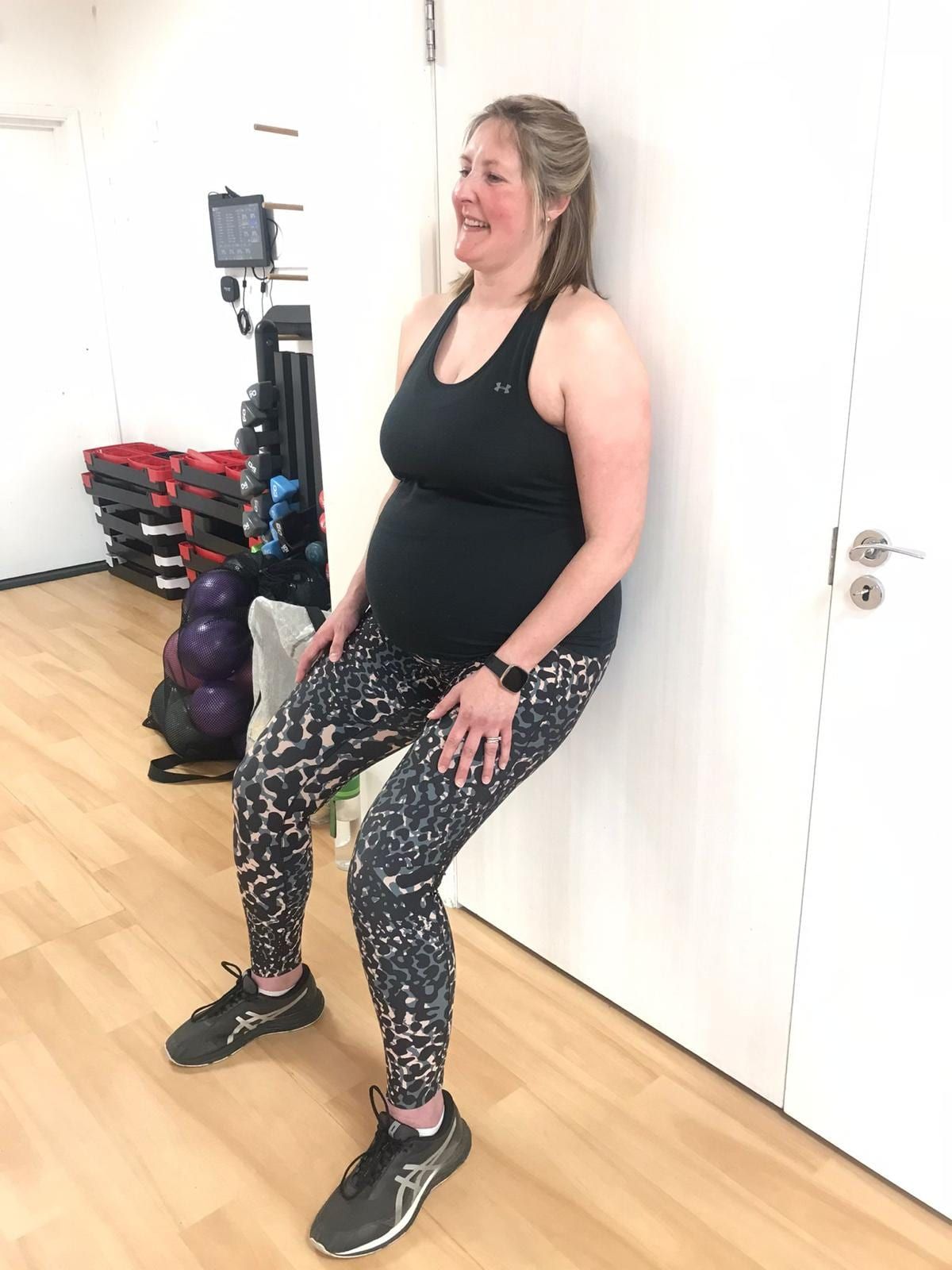
“Is it safe?” is usually the first question – and a fair one. Your body is growing a baby. Friends, feeds and forums all have opinions. What you want is calm guidance that lines up with UK health advice, not a hard sell.
For most women with an uncomplicated pregnancy, the answer from the NHS is reassuring: exercise is safe for you and your baby. Start any new activity gently. If you already move regularly, it is usually fine to keep going, with sensible changes as pregnancy progresses. The UK Chief Medical Officers’ physical activity guidelines for pregnant women point the same way: stay active, listen to your body, and adapt rather than stop.
This guide is for women in Cheam, Sutton and nearby. It is not medical advice. Your midwife or GP knows your pregnancy. If you have a complication, unexplained pain, bleeding, or anything that makes you unsure, speak to them before you change how you train.
Why staying active helps
The NHS says keeping active in pregnancy may help with fitness, sleep, mood and mental health. It may also help reduce the risk of some pregnancy-related conditions such as gestational diabetes and pre-eclampsia, and it can prepare your body for birth and support recovery afterwards. The UK Chief Medical Officers’ review of the evidence also highlights benefits around cardiorespiratory fitness, gestational weight gain and blood-pressure-related problems in pregnancy – again in general terms, not as a promise for every woman.
You do not need a complicated programme. Brisk walking, swimming, pregnancy-friendly strength work and everyday movement all count. Moderate activity means you can talk but not sing. That “talk test” is a simple way to stay in a sensible zone.
How much is enough?
UK guidance for pregnant women lines up with adult advice: aim for at least 150 minutes of moderate-intensity activity each week, and include muscle-strengthening activities twice a week where you can. Every minute counts. If 150 minutes feels far away, start with what you can – even ten minutes – and build up.
If you were not active before pregnancy, begin slowly. If you were already training, you can often keep going at a level that feels right, rather than starting something brand new and vigorous. The NHS is clear that it is not recommended to start a new vigorous activity such as running in pregnancy if you did not do it before.
The Royal College of Obstetricians and Gynaecologists (RCOG) hosts the Chief Medical Officers’ pregnancy activity infographic and sources. Specialist physiotherapists at POGP (Pelvic, Obstetric and Gynaecological Physiotherapy) also publish practical “Fit for Pregnancy” advice on posture, pelvic floor and sensible exercise choices.
What to adapt by trimester
There is no single timetable that fits every pregnancy. How you feel on the day, your midwife’s advice, and any symptoms such as pelvic girdle pain all matter more than a rigid week-by-week plan. Broadly:
Early pregnancy
Nausea, fatigue and sore breasts can make exercise feel hard. Short walks, light strength work and rest count as looking after yourself. Stay hydrated, avoid getting too hot, and do not train on an empty stomach.
Middle pregnancy
Energy often returns. This can be a good window for steady strength, walking and swimming. Tell every instructor you are pregnant. Be cautious with rapid twists, contact sports and anything with a fall risk. Softened ligaments can make joints feel less stable – controlled movement beats bouncing.
Later pregnancy
As your bump grows, swap what no longer feels comfortable. Running may become brisk walking. Floor work may need side-lying or seated options. The NHS advises avoiding lying flat on your back for more than a few minutes in later pregnancy, because it can make you dizzy and is not good for your baby. POGP similarly suggests keeping time on your back short after the middle of pregnancy and changing position if you feel unwell.
Throughout, the Chief Medical Officers’ message is simple: don’t bump the bump, and adapt as you go.
Warning signs: when to stop and seek help
Stop if you feel uncomfortable, too hot or unwell. Drink water, cool down, and rest.
Seek advice from your midwife, GP or maternity unit if something worries you – for example bleeding, dizziness, chest pain, a sudden change in your baby’s movements, or pain that does not settle. Do not wait for a training session to “push through” symptoms that need a clinical check. When in doubt, pause and ask.
Also avoid activities with a real risk of falling or a blow to the tummy, scuba diving, and exercising when you are overheated or dehydrated. Those limits are part of staying safe, not of being fragile.
Why pregnancy fitness helps postnatal recovery
This is the section many women wish they had read earlier. Staying active in pregnancy is not only about the next nine months. It is also a gift to the version of you who will be lifting a car seat, feeding at 3am and wondering when her body will feel like hers again.
Strength you can use
Carrying shopping, getting up from the floor and walking with a buggy all ask for strength. Gentle, coached resistance work in pregnancy helps you keep muscle that makes early parenthood less exhausting.
Pelvic floor awareness
Pregnancy loads the pelvic floor. Learning how to breathe, brace kindly and do pelvic floor exercises before birth gives you a skill you will use afterwards. It does not guarantee a perfect recovery – nothing does – but it is a solid foundation.
Core and posture
Your tummy muscles stretch as the baby grows. Training that keeps a sense of deep core connection and upright posture can lessen some of the aches of late pregnancy and give you a clearer starting point after birth, when diastasis (separation of the abdominal muscles) is common and needs patient rehab rather than sit-ups.
Stamina for the early weeks
Moderate cardio fitness will not make birth “easy”. It can make the long days of newborn care feel less depleting. Sleep will still be broken. A body that is used to moving often recovers daily tasks a little more kindly.
Getting back to activity after birth
Women who have kept a relationship with movement through pregnancy often find the return – walking, then strength, then higher impact when cleared – less intimidating. You are not starting from zero. You are restarting with experience, and with clinicians and coaches who can help you progress at the right pace.
How Be More Studio can help
Be More Studio is a women’s wellness hub on London Road in North Cheam. The studio specialises in women’s health and fitness through every stage of life, including pregnancy.
On our pregnancy fitness page you will see how we approach trimester-aware coaching: 1-to-1 sessions, or the 6-week Kick Start with exercises adapted as your pregnancy changes. We do not run a separate pregnancy class; the focus is personalised coaching. Always check with your GP or midwife first, and tell your coach in person how things are going. Please do not put health details in online forms.
Many women also continue Reformer Pilates through pregnancy with the right changes – again, only after you have told the coach you are pregnant. Pregnancy massage is available in the studio with Indy Massage & Spa. When you are ready after birth, our postnatal fitness support and Right Start assessment are there for the next chapter.
A gentle note
Exercise supports a healthy pregnancy for many women. It does not replace antenatal care, diagnose complications or guarantee an easier birth. Use this article as a starting conversation with your midwife or GP, not instead of them.
Ready when you are
If you are pregnant and want coached strength that respects where you are, we would love to help you feel capable – bump and all.
Explore pregnancy fitness at Be More Studio · Register interest · WhatsApp us
Frequently asked questions
Is exercise safe in an uncomplicated pregnancy?
For most women with an uncomplicated pregnancy, yes. The NHS says exercise is safe for you and your baby, and the UK Chief Medical Officers encourage regular moderate activity. Always check with your midwife or GP if you have a complication or are unsure.
How much exercise should I aim for?
Aim for about 150 minutes of moderate-intensity activity a week, plus muscle-strengthening work twice a week, if you can. Any activity is better than none. Start gently if you are new to exercise, and do not begin a brand-new vigorous activity such as running in pregnancy.
Can I keep lifting weights?
If you already strength train and your midwife or GP is happy, you can often continue with adaptations as your bump grows. Technique, breathing and load matter more than ego. Tell every coach you are pregnant before you start.
Does staying active in pregnancy help after birth?
It can. The NHS notes that keeping active may help prepare your body for birth and support recovery afterwards. Strength, pelvic floor awareness, posture and stamina built in pregnancy often make the early postnatal weeks feel more manageable.